Can a single molecule influence cellular energy and longevity?
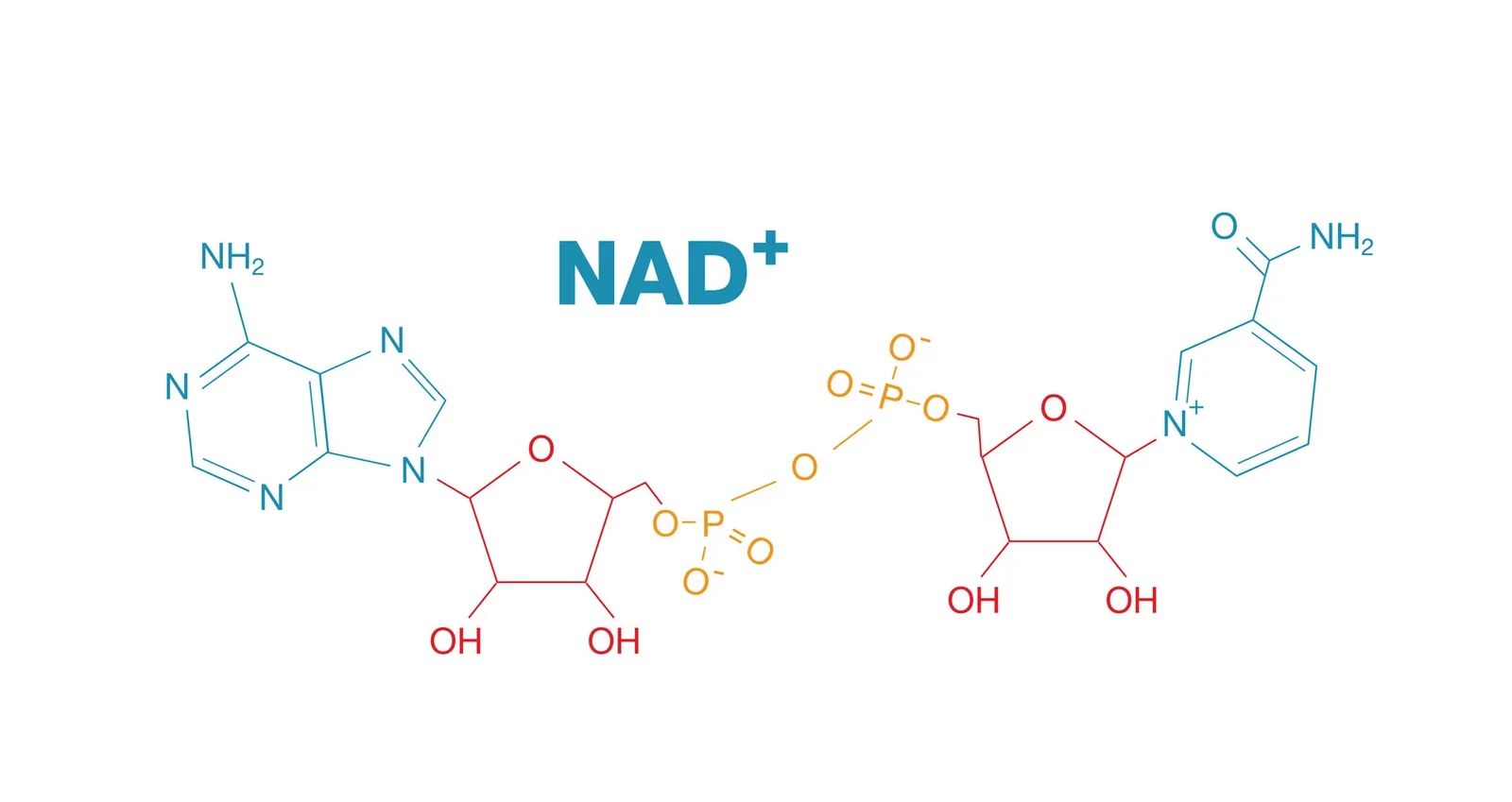
Modern longevity science increasingly focuses on how cellular metabolism changes with age. One of the most discussed molecules in this field is NAD⁺ (nicotinamide adenine dinucleotide), a naturally occurring coenzyme present in every living cell. Researchers continue to explore how NAD⁺ levels relate to energy balance, cellular resilience, and biological aging.
Clinical research and NAD⁺ metabolism
Recent clinical research has examined how supporting NAD⁺ metabolism may influence key biological processes. In controlled human studies, participants were observed over a defined period while receiving high-bioavailability NAD⁺ precursors, with measurable changes reported at the cellular level.
Increased measured NAD⁺ levels
Improved daily energy perception
Enhanced mental clarity in some participants
Reduced fatigue over time
Why NAD⁺ matters at the cellular level
NAD⁺ plays a central role in multiple biological systems. It is essential for mitochondrial energy production, DNA maintenance, metabolic regulation, and activation of proteins associated with cellular longevity, including sirtuins.
Mitochondrial energy production
DNA repair and genomic stability
Metabolic regulation
Cellular stress resistance
A scientific and educational perspective
Scientific evidence indicates that NAD⁺ levels naturally decline with age. Ongoing research continues to explore strategies aimed at supporting NAD⁺ metabolism as part of broader longevity science. Individual responses may vary, and findings continue to evolve as new data emerges.
Explore longevity science with TrueMed
TrueMed Ukraine provides educational content focused on cellular health, longevity research, and evidence-based scientific insights.
Explore NAD⁺ science